.png)
Beyond Pain Relief: Using PRP and Stem Cell Therapy for Long-Term Joint Health

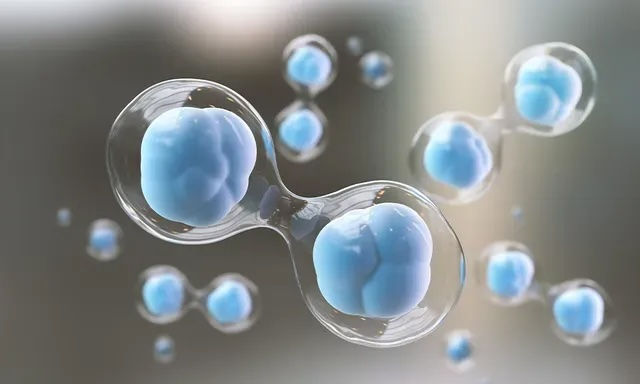
When most people think about regenerative medicine—PRP (platelet-rich plasma) and stem cell therapy—they picture last-resort treatments for severe injuries. However, the real power of these therapies lies in using them proactively, before debilitating pain or severe degeneration forces the issue. At SHARC, practitioners and patients alike are discovering that the strategic use of regenerative medicine can maintain joint health for decades, not just manage acute injuries.
Understanding Regenerative Medicine
Regenerative medicine represents a fundamental shift from simply managing symptoms to actually promoting tissue repair and regeneration. Unlike medications that mask pain or surgeries that remove or replace damaged structures, regenerative therapies harness the body's natural healing mechanisms to repair damaged tissues.
Two primary treatments have shown significant clinical promise: platelet-rich plasma (PRP) injections and stem cell therapy. While often used together, each serves distinct purposes in the healing process.
How PRP Works
PRP therapy involves extracting a small blood sample and processing it to concentrate the platelets—blood components rich in growth factors and bioactive proteins essential for tissue repair. Through centrifugation (high-speed spinning), platelets and plasma separate from other blood components.
Here's what matters: not all PRP preparations are equal. Effectiveness depends significantly on preparation methods and equipment quality. When prepared properly, PRP contains significantly higher concentrations of platelets and growth factors than normal blood.
Once injected into affected areas under ultrasound guidance, the concentrated platelets release growth factors that stimulate the body's natural healing response. This accelerates tissue repair, reduces inflammation, promotes new collagen formation, and encourages new blood vessel development—all critical components of healing.
The Science of Stem Cell Therapy
Mesenchymal cells possess a unique ability: they can transform into various specialized cell types in the body. This makes them invaluable for repairing or replacing damaged tissues.
Stem cells are collected from patients' bone marrow and adipose (fat) tissue, minimizing rejection risk. After collection, cells can be injected locally into problem areas—like an injured knee or torn rotator cuff.
Think of it this way: If stem cells are the seeds that transform and heal damaged tissue, PRP serves as the fertilizer that helps them thrive. This is why combined treatments often produce superior results compared to either therapy alone.
The Procedure
For a combined PRP and stem cell procedure, the process really begins before arriving at your appointment. At SHARC, we recommend patients start with heavy resistance training—deadlifts, sled pulls, whatever gets your blood pumping—within about one hour of your blood draw. Why? Because the platelets in freshly circulated blood are more concentrated and activated.
Next is the bone marrow extraction, the most uncomfortable aspect of the procedure. Local anesthetic numbs the skin but doesn't eliminate the deeper sensation during withdrawal. The best description: an intense, stinging sensation lasting several seconds—like a bad carpet burn, but deeper. The pain passes relatively quickly.
Once blood and bone marrow are processed, ultrasound guidance ensures precise delivery to targeted areas. Injections also cause a slight stinging sensation, particularly with joint movement. The complete process typically requires about two hours.
Patients can choose sedation for increased comfort. Both approaches produce equivalent clinical outcomes—it's about personal preference and pain tolerance.
Conditions Treated
Regenerative therapies effectively address numerous musculoskeletal conditions including arthritis, tendon injuries (rotator cuff, Achilles, tennis elbow, plantar fasciitis), ligament injuries, muscle strains and tears, cartilage damage, joint pain, sports injuries, back pain, and spinal disc issues.
The Maintenance Approach: A Case Study
One of our practitioners at SHARC has undergone combined PRP and stem cell treatment every 12 to 18 months for nearly a decade—not for severe injury, but as proactive maintenance after identifying early-stage arthritic changes.
The results speak for themselves: after ten years of consistent treatments, ultrasound imaging shows the same picture as a decade ago. The small cartilage breaks—early warning signs of progressive arthritis—haven't advanced. The joints have maintained their structure rather than following typical degenerative progression.
This represents a paradigm shift from reactive to proactive care. Rather than waiting until joints deteriorate to bone-on-bone status requiring replacement surgery, strategic regenerative treatments maintain joints in their current state, preventing the cascade of deterioration that typically occurs.
Clinical Outcomes
A SHARC patient recently benefited from both maintenance and acute treatment applications. With hip pain severe enough that his quad muscle atrophied two and a half inches, he ended up with a labral tear in his shoulder after falling when his weakened leg gave out. Following combined treatment, his results were remarkable. His pain resolved, and he's regained nearly full overhead range of motion in his shoulder. Now we're working on mobility and tissue quality to complete his recovery.
These cases illustrate an important point: regenerative medicine works for both maintenance (preventing progression) and treatment (accelerating healing from injury). The key is understanding where you are on that spectrum and making strategic decisions about your care.
Is Regenerative Medicine Right for You?
Ideal candidates include individuals with early-stage arthritis wanting to prevent progression, athletes with acute injuries seeking faster recovery, patients with chronic conditions who haven't responded to conservative treatment, those looking to avoid or delay surgery, and active individuals wanting to maintain joint health proactively.
Taking the Next Step
At SHARC, we work with leading regenerative medicine physicians to integrate cutting-edge therapies with comprehensive movement assessment and manual therapy, supporting long-term function.
Interested in learning more? Book a discovery visit, which provides the opportunity to discuss specific goals, assess current joint status, determine if regenerative medicine is appropriate, and create a comprehensive plan that may include PRP, stem cell therapy, manual treatment, and movement training.
Regenerative therapies represent remarkable advances in promoting healing and maintaining function. When used strategically—particularly as proactive maintenance rather than last-resort interventions—PRP and stem cell therapy can help active individuals maintain joint health and mobility for decades.


Such an insightful read on long-term joint care! PRP and stem cell therapy really do go beyond quick fixes. For anyone also dealing with stubborn lower back lumps, exploring back mice treatment alongside these regenerative options can help address multiple pain sources together. Thanks for sharing such valuable, easy to understand info on joint health!